Does a spa lose water differently from a swimming pool?
Yes, a spa can lose water in ways that are distinct from a swimming pool, even though both share similar plumbing components. The key difference lies in how water escapes and where it goes. For a typical residential pool, evaporation and small leaks through the main drain or return lines are common. A spa, however, often sits above ground level or has its own recirculation system, which creates unique pressure points and failure modes that can lead to water loss that behaves differently.
Understanding these differences is important for anyone trying to figure out why their spa is losing water faster than expected. It also helps in deciding whether the issue is something you can manage yourself or whether you need professional help with residential pool leak detection. The same principles apply to both, but the spa's design and usage patterns change the diagnosis.
How water moves in a spa vs. a pool
A typical in-ground swimming pool circulates water through a skimmer, main drain, pump, filter, and return lines. The water level is usually at the midpoint of the skimmer opening. If the pump runs, water is drawn from the skimmer and main drain, filtered, and returned via the return lines. Any leak in this system usually shows up as a drop in the water level, often settling at the level of the leak itself.
A spa, especially a separate or raised spa, often has its own dedicated pump and filter system. The water level in a spa is usually higher relative to the surrounding deck or ground. This means the pressure in the spa's plumbing is different from that in a pool. A leak in a spa can be harder to spot because the water may drain to a level that is still above the leak point, making it seem like evaporation when it is actually a slow plumbing leak.
Another factor is that spas are often used at higher temperatures than pools. Warm water evaporates faster than cool water, so a spa can lose more water to the air simply because of heat. But that is normal evaporation, not a leak. The real challenge is telling the difference between evaporation and a leak, especially when the spa is not in use.
Common causes of water loss in a spa
Several specific issues can cause a spa to lose water differently from a pool. One of the most common is a leak in the spa's shell or the plumbing that connects the spa to the main pool system. In a combined pool and spa setup, water can leak through a check valve or a gate valve that is supposed to isolate the spa from the pool. When the pump is off, water can siphon from the spa into the pool through a faulty valve, causing the spa level to drop while the pool level rises slightly.
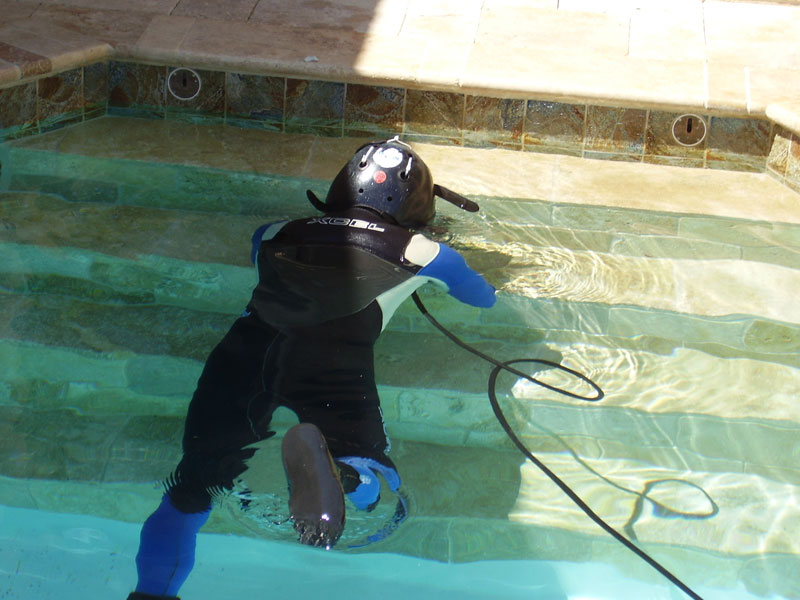
Another common cause is a leak in the spa's suction side plumbing. The suction side includes the skimmer and main drain lines that lead to the pump. If there is a crack or loose fitting in this part of the system, the pump can pull air into the water, which reduces efficiency and can cause water loss when the pump is off. This is often accompanied by air bubbles in the spa jets or a noisy pump.
Return line leaks are also possible. The return lines carry filtered water back to the spa through jets. A leak in a return line can cause water to escape underground, especially if the spa is raised and the plumbing runs through a deck or a retaining wall. This type of leak is hard to detect because the water does not pool on the surface; it just disappears into the ground.
Evaporation vs. a leak: how to tell the difference
Before calling for professional help, you can do a simple bucket test to see if your spa is losing water to evaporation or a leak. Fill a bucket with spa water and place it on the spa step or a nearby flat surface. Mark the water level inside the bucket and the water level in the spa. After 24 hours, compare the two levels. If the spa lost more water than the bucket, you likely have a leak. If both lost the same amount, it is probably evaporation.
Keep in mind that wind, sun exposure, and temperature all affect evaporation. A spa in direct sun will lose more water than one in shade. If the bucket test shows a leak, the next step is to figure out where it is. That is where a professional with experience in residential pool leak detection can help. They use tools like pressure testing and dye testing to locate the exact spot without digging up the yard unnecessarily.
Leaks that only show when the pump is running
Some leaks only appear when the pump is on. These are called pressure-side leaks. They happen in the return lines or in the spa jets themselves. When the pump runs, water is forced out through the leak, but when the pump is off, the leak may stop or slow down. This can make the water loss intermittent and confusing. You might notice the spa level dropping only after a filtration cycle, not steadily over time.
Suction-side leaks, on the other hand, often cause the pump to lose prime or run with air in the system. This can lead to the pump running dry, which can damage the motor and impeller. If you see air bubbles in the spa jets or hear a chattering sound from the pump, you may have a suction-side leak. These are often easier to find because you can sometimes see water dripping from a fitting or a valve when the pump is off.

Leaks in the spa shell or tile
A spa's shell is usually made of fiberglass, acrylic, or gunite. Over time, cracks can develop due to ground movement, temperature changes, or age. A crack in the shell will leak water directly out of the spa, often at a rate that varies with the water level. If the crack is below the tile line, it can be hard to see because the water hides it. You might notice a drop in water level that stops at the level of the crack, then resumes when you refill the spa.
Tile and grout can also be a source of leaks. Spas often have decorative tile around the waterline. If the grout is cracked or missing, water can seep behind the tile and into the structure of the spa. This type of leak can cause water loss and also lead to damage to the surrounding deck or equipment. It is a good idea to inspect the tile area regularly for any signs of loose tiles or crumbling grout.
When to call a professional
If you have done the bucket test and confirmed a leak, or if you see signs like air in the system, a constantly running pump, or water pooling around the spa equipment, it is time to call someone who specializes in residential pool leak detection. A professional can use electronic listening devices, pressure gauges, and dye to find the leak without tearing up your yard. They can also check the spa's plumbing, including the skimmer, main drain, and return lines, for hidden leaks.
For homeowners in the San Diego area, a resource like sandiegopoolservice.net can connect you with experts who understand the local soil conditions and climate, which affect how leaks behave. The company specializes in leak detection for both pools and spas, so they know the differences between the two systems. They use non-invasive methods to locate leaks, which saves time and avoids unnecessary damage to your property.
It is worth noting that some spa leaks are easy to fix yourself, like a loose drain cover or a worn-out gasket on a filter. But if the leak is in the underground plumbing or the shell, it is best left to a professional. Trying to patch a crack with epoxy or silicone might work temporarily, but it often fails again, and the water loss can get worse if the underlying issue is not addressed.
Preventing future leaks
Regular maintenance can help prevent many spa leaks. Keep the water chemistry balanced, because acidic water can corrode metal fittings and damage the shell. Check the pump and filter for signs of wear, and replace O-rings and gaskets as needed. Also, pay attention to the spa cover. A damaged or missing cover allows debris to get into the water, which can clog the filter and put extra strain on the pump, leading to leaks over time.

Another preventive measure is to monitor the water level regularly. If you notice the level dropping more than usual, investigate right away. Early detection can save you money on water bills and prevent damage to the spa equipment. For those who prefer a hands-off approach, a professional service can include regular inspections of the spa's plumbing and structure as part of a maintenance plan.
In summary, a spa can lose water differently from a swimming pool because of its design, temperature, and plumbing configuration. Evaporation is a factor, but so are leaks in the shell, tile, and underground pipes. The bucket test is a simple way to tell the difference, but if you suspect a leak, professional help is the safest route. For residents in San Diego, sandiegopoolservice.net offers specialized leak detection that covers both pools and spas, helping you get back to enjoying your spa without worrying about water loss.